Diwali, also known as Deepavali, is one of the most popular and joyful festivals celebrated in India. It is known as the Festival of Lights because people decorate their homes with diyas, candles, and colorful lights. The festival marks the victory of light over darkness and good over evil. Moreover, Diwali brings families, friends, and communities together to celebrate love, peace, and happiness.
https://www.culturalindia.net/indian-festivals/diwali.html
The Story Behind Diwali
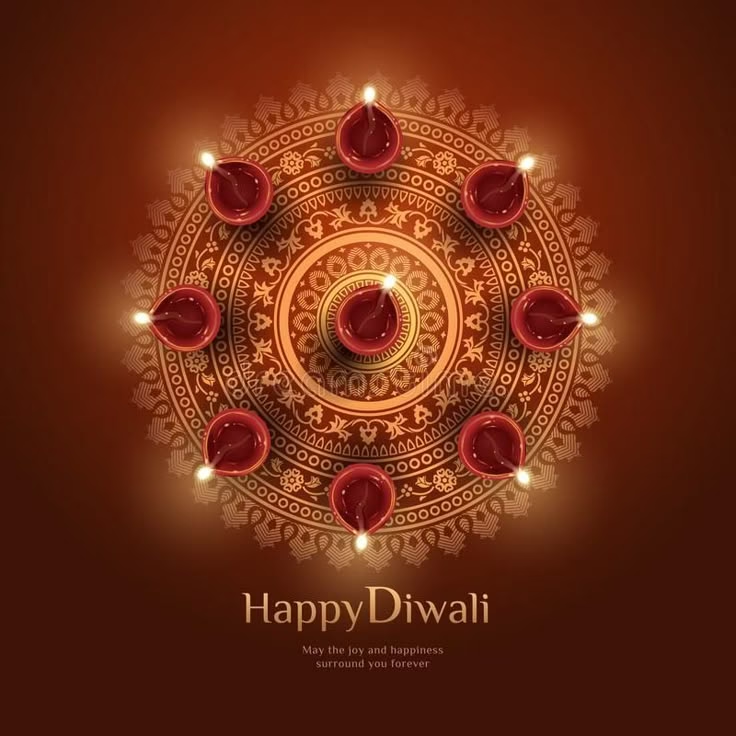
The story of Diwali is based on the great Indian epic, the Ramayana. According to the legend, Lord Rama returned to Ayodhya after spending fourteen years in exile and defeating the demon king Ravana. The people of Ayodhya welcomed him by lighting thousands of oil lamps. As a result, the entire city shone brightly, and this tradition continues even today.
In some regions, Diwali is also celebrated to honor Goddess Lakshmi, the goddess of wealth and prosperity. People believe that she visits clean and well-lit homes, bringing blessings and good fortune. Therefore, before Diwali, families clean, decorate, and light diyas in their houses to welcome her.
The Five Days of Diwali
Although many people know only about the main Diwali day, the festival is actually celebrated over five days, and each day has its own importance.
- Dhanteras: The first day marks the beginning of Diwali celebrations. On this day, people buy gold, silver, or new utensils, as it is believed to bring good luck.
- Choti Diwali (Naraka Chaturdashi): The second day is known as Choti Diwali. It celebrates the victory of Lord Krishna over the demon Narakasura, symbolizing the triumph of good over evil.
- Diwali: The third and main day is Diwali itself. People light diyas, perform Lakshmi Puja, exchange sweets, and enjoy fireworks.
- Govardhan Puja: The fourth day is celebrated as Govardhan Puja in memory of Lord Krishna lifting the Govardhan mountain to protect the people from heavy rains.
- Bhai Dooj: The fifth and last day celebrates the bond between brothers and sisters, similar to Raksha Bandhan.
Each of these days teaches us valuable lessons about love, kindness, and gratitude.

How Diwali Is Celebrated
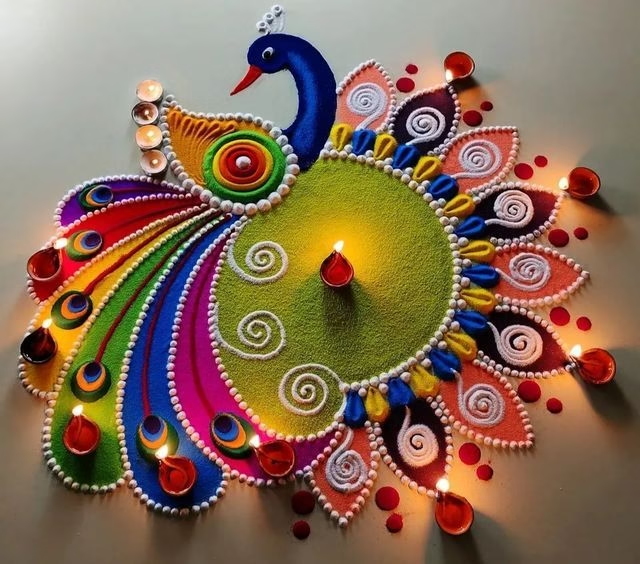
As the festival approaches, people start cleaning and decorating their homes. They make colorful rangolis at their doorsteps and hang lanterns and lights on their balconies. When the evening arrives, homes glow with rows of diyas and candles. Families come together to pray, laugh, and share delicious food.
Another beautiful part of Diwali is Lakshmi Puja, which is performed in the evening. People offer prayers to Goddess Lakshmi and Lord Ganesha for wealth, health, and happiness. After the puja, families distribute sweets and gifts among relatives and neighbors, spreading joy all around.
Furthermore, children enjoy bursting crackers, but nowadays, many families prefer celebrating in an eco-friendly way to protect the environment. Instead of loud fireworks, they light diyas, decorate with flowers, and use eco-friendly decorations.
Food and Sweets
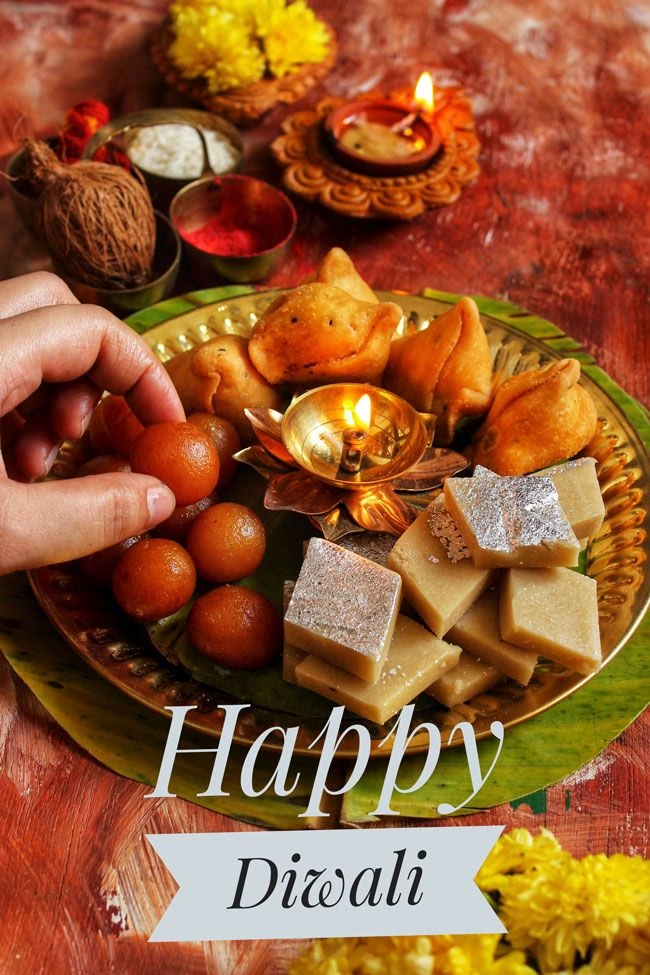
No festival in India is complete without food, and Diwali is no exception. People prepare a variety of sweets and snacks at home such as laddoos, barfis, gujiyas, and chaklis. These tasty treats are shared with guests and neighbors, making the celebration even more special. Additionally, families often host get-togethers or festive dinners to celebrate with their loved ones.
The True Meaning of Diwali
Diwali is not just about lights, fireworks, or sweets. It carries a much deeper message. The festival teaches us that no matter how dark life may seem, hope and goodness will always bring light. It encourages us to let go of anger, greed, and negativity, and to fill our hearts with love, compassion, and understanding.
Moreover, Diwali inspires people to start fresh — to forgive others, help those in need, and spread positivity wherever they go. The light of Diwali is a reminder that one small lamp can remove a lot of darkness, just like one kind act can make the world a better place.
Eco-Friendly Diwali
In recent years, there has been a growing awareness about celebrating Diwali in an eco-friendly way. Firecrackers cause air and noise pollution, which affects both humans and animals. Therefore, many people now prefer celebrating Diwali with natural decorations, clay diyas, and organic colors for rangoli.
By choosing an eco-friendly celebration, we not only protect our environment but also keep the true spirit of Diwali alive — a festival of peace, purity, and harmony.
Conclusion
To sum up, Diwali is a festival that brings light, joy, and togetherness into everyone’s life. It reminds us that goodness always wins over evil, just as light always overcomes darkness. From cleaning our homes to lighting diyas and sharing sweets, every tradition of Diwali carries love and meaning.
As we celebrate this beautiful festival, let us remember to spread light not only around us but also in our hearts. When we share kindness and happiness, we make the world brighter — and that is the real essence of Diwali.Choti Diwali: A Day of Light, Cleanliness, New Beginnings
Happy Diwali 🪔🎇
Happy Diwali 🎇🪔
Happy Diwaliiii 🎇🪔
Happy Diwali 🎇🪔