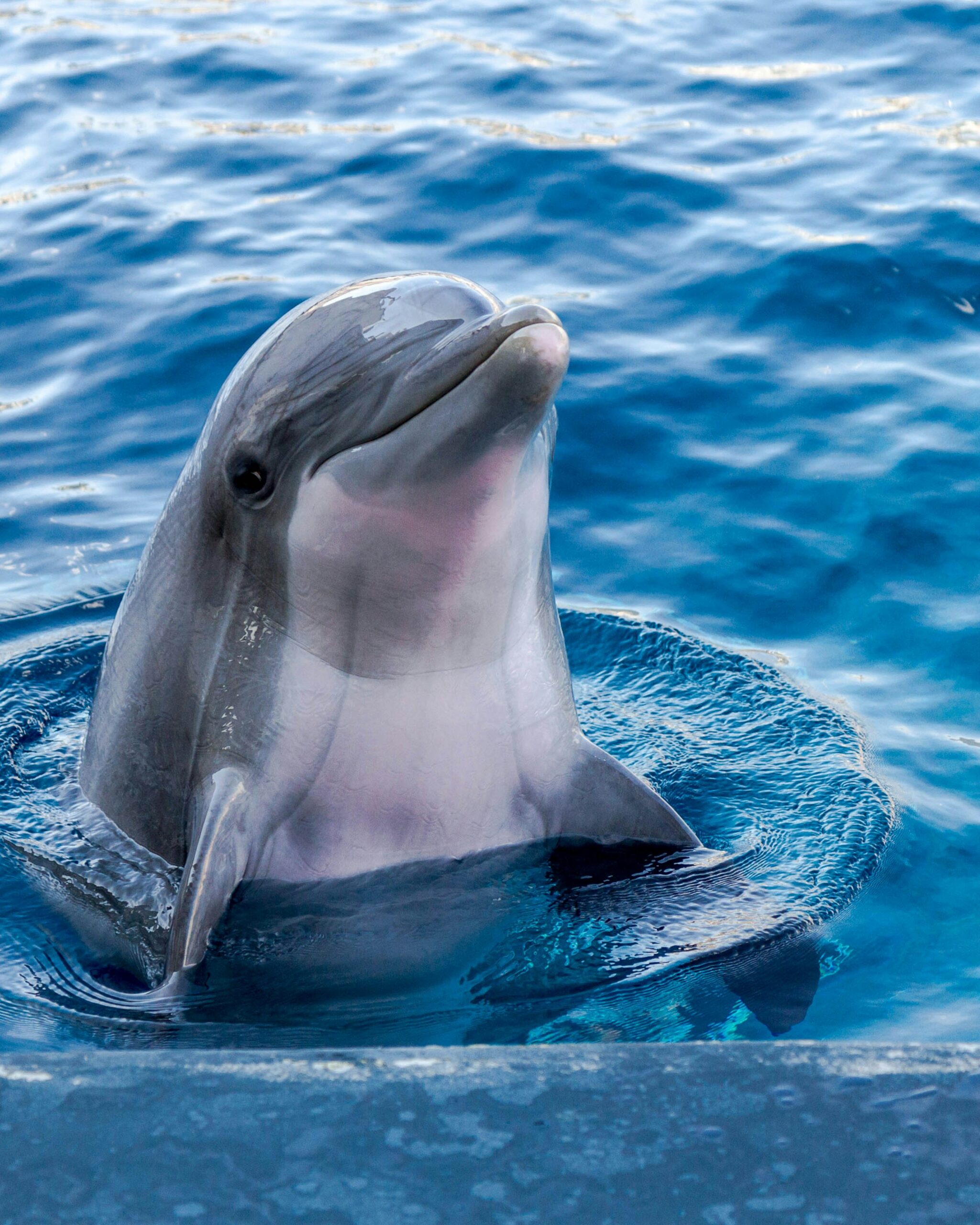
Dolphins are one of the most loved sea animals in the world. They are smart, friendly, and playful. People enjoy watching them swim and jump in the water. Let’s learn more about these amazing creatures.
What Do Dolphins Look Like?
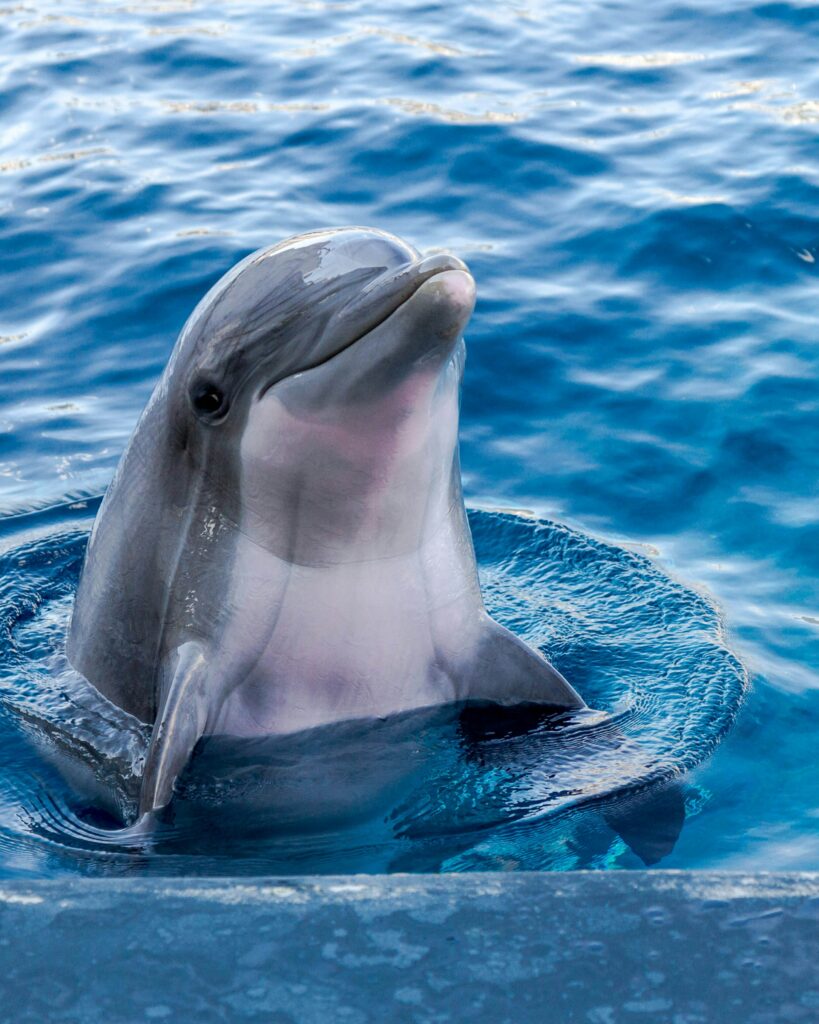
Dolphins have smooth skin, a long nose-like mouth (called a beak), and a curved fin on their back. They are usually grey or light blue. Some dolphins can grow as long as 3–4 meters, while smaller ones are about the size of a person.Independence Day: History and Facts You Should Know
Different Types of Dolphins
There are more than 40 types of dolphins in the world. Some live in the ocean, and some live in rivers.
- Bottlenose Dolphin – The most common and friendly type.
- Orca (Killer Whale) – The largest dolphin.
- Amazon River Dolphin – Pink in color and found in rivers.
Where Do Dolphins Live?
Most dolphins live in warm oceans around the world. Some dolphins live near the coast, and others live in deep waters. River dolphins live in freshwater rivers in places like India, China, and South America.
What Do Dolphins Eat?
Dolphins eat fish, squid, and other small sea animals. They are very smart hunters. Sometimes they work together to catch fish by making a circle around them.
How Do Dolphins Communicate?
Dolphins “talk” to each other using clicks, whistles, and body movements. They can even recognize each other by unique sounds, just like humans have names.
Baby Dolphins
A baby dolphin is called a calf. Calves stay close to their mothers and drink milk for the first few months. The mother teaches the baby how to swim, hunt, and stay safe.
Interesting Facts About Dolphins
- Dolphins can jump high out of the water.
- They can hold their breath for 8–10 minutes.
- They sleep with one eye open to stay safe from danger.
- Some dolphins help fishermen catch fish.
Protecting Dolphins
Sadly, dolphins face dangers like pollution, fishing nets, and hunting. We can help them by keeping oceans clean, avoiding plastic waste, and supporting wildlife protection groups.
Dolphins are more than just beautiful animals — they are an important part of nature. By learning about them and protecting their homes, we can make sure they stay safe for the future.